
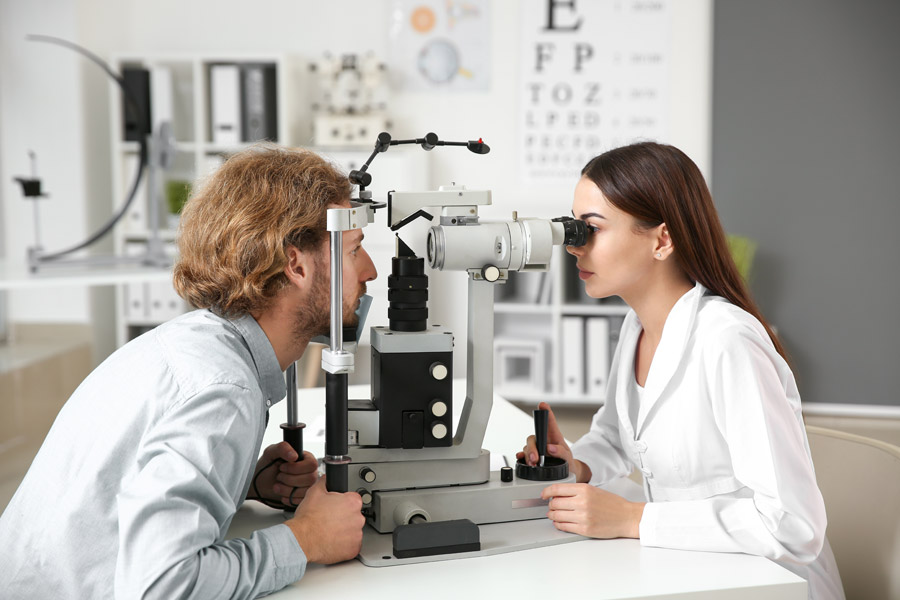
Regular eye exams are one of the most important steps you can take to protect your vision and overall eye health. Many serious eye conditions develop gradually and may not cause noticeable symptoms in the early stages. For patients in Fort Myers, Florida, understanding how often to schedule an eye exam can help prevent vision loss and ensure eye problems are identified early, when treatment is most effective.
At Centers For Vision, comprehensive eye exams focus on more than vision clarity. They are designed to evaluate eye health, detect disease, and support long-term visual wellness at every stage of life.
What Is a Comprehensive Eye Exam?
A comprehensive eye exam evaluates both how well you see and how healthy your eyes are. Unlike basic vision screenings, a comprehensive exam is a medical evaluation performed by an ophthalmologist and may include several diagnostic tests.
A comprehensive eye exam typically assesses:
- Visual acuity and focusing ability
- Eye pressure to screen for glaucoma
- Retinal and macular health
- Optic nerve function
- Signs of cataracts or age-related eye disease
- Effects of systemic conditions such as diabetes or high blood pressure
These exams play a critical role in detecting eye disease before symptoms occur.
How Often Do Adults Need an Eye Exam?
For most adults, a comprehensive eye exam is recommended every one to two years, even if vision seems normal. Many eye diseases progress silently, and waiting for symptoms can result in delayed diagnosis.
Adults may need more frequent eye exams based on individual risk factors, medical history, or existing eye conditions. An ophthalmologist can recommend a personalized exam schedule.
Eye Exam Frequency by Age Group
Eye exam recommendations often vary by age:
- Ages 18–39: Every two years if no symptoms or risk factors are present
- Ages 40–64: Every one to two years, as age-related changes become more common
- Ages 65 and older: Annually, due to increased risk of cataracts, glaucoma, and macular degeneration
As the eyes age, regular monitoring becomes increasingly important.
Medical Conditions That Require More Frequent Eye Exams
Some health conditions significantly increase the risk of eye disease and require more frequent eye exams. Patients may need yearly or more frequent evaluations if they have:
- Diabetes, which can cause diabetic eye disease and retinal damage
- Glaucoma or a family history of glaucoma
- Macular degeneration
- Previous eye surgery or eye injury
- Chronic dry eye or eye inflammation
Regular exams help monitor disease progression and prevent permanent vision loss.
Why Regular Eye Exams Matter for Fort Myers Patients
Fort Myers residents face unique environmental and demographic factors that increase the importance of routine eye care. These include:
- High year-round sun exposure, which increases UV-related eye damage
- A large senior population, raising the prevalence of age-related eye disease
- Higher rates of diabetes, which can affect the retina and optic nerve
Regular eye exams help Fort Myers patients:
- Detect eye disease early
- Prevent irreversible vision loss
- Maintain safe vision for driving and daily activities
- Monitor chronic health conditions that affect the eyes
Preventive eye care plays a critical role in long-term independence and quality of life.
What Happens During a Comprehensive Eye Exam?
A comprehensive eye exam may include several steps, depending on individual needs. During the exam, your ophthalmologist may:
- Test visual clarity and focusing ability
- Measure eye pressure
- Examine the retina and optic nerve
- Check for signs of cataracts or macular degeneration
- Evaluate eye alignment and movement
These evaluations provide a complete picture of eye health and help guide treatment or monitoring recommendations.
Signs You Should Schedule an Eye Exam Sooner
You should schedule an eye exam as soon as possible if you experience:
- Sudden or gradual vision changes
- Blurred or distorted vision
- Eye pain, redness, or pressure
- Flashes of light or new floaters
- Difficulty seeing at night
- Frequent headaches related to vision
These symptoms may indicate an underlying eye condition that requires prompt evaluation.
Eye Exams and Early Detection of Eye Disease
One of the most important benefits of routine eye exams is early detection. Many serious eye conditions — including glaucoma, diabetic eye disease, and macular degeneration — can progress without noticeable symptoms.
Early detection allows for:
- Earlier treatment
- Better long-term outcomes
- Slower disease progression
- Preservation of vision
Regular exams give ophthalmologists the opportunity to intervene before permanent damage occurs.
How Eye Exams Support Long-Term Vision Health
Eye exams are not just about identifying problems — they are also about maintaining healthy vision over time. By tracking subtle changes from year to year, ophthalmologists can identify patterns that may indicate emerging issues.
This proactive approach helps patients maintain clear vision and eye health as they age.
Frequently Asked Questions About Eye Exams
Q. Can eye disease develop without symptoms?
A. Yes. Many eye diseases progress silently, making regular exams essential.
Q. Do I need an eye exam if my vision seems fine?
A. Yes. Eye exams evaluate eye health, not just vision clarity.
Q. How long does a comprehensive eye exam take?
A. Most comprehensive eye exams take between 30 and 60 minutes, depending on testing needs.
Q. Does insurance cover eye exams?
A. Coverage varies by insurance plan. Medical eye exams are often covered when related to eye health or disease.
Q. Where can I schedule an eye exam in Fort Myers, FL?
A. Centers For Vision provides comprehensive eye exams for patients throughout Fort Myers and Southwest Florida.
Schedule a Comprehensive Eye Exam in Fort Myers
Regular eye exams are one of the most effective ways to protect your vision and eye health. Whether you are due for an exam, managing a medical condition, or experiencing vision changes, early evaluation makes a difference.
Contact Centers For Vision today to schedule a comprehensive eye exam in Fort Myers, FL, and take a proactive step toward protecting your long-term vision.
0 comments on “How Often Should You Get an Eye Exam? A Fort Myers Doctor Explains”