
Glaucoma Specialist in Fort Myers, FL
Expert Glaucoma Care to Protect Your Vision
Glaucoma is one of the leading causes of permanent vision loss, often developing without noticeable symptoms in its early stages. At Centers for Vision, our glaucoma specialists in Fort Myers provide advanced diagnosis, treatment, and long-term management to help protect your vision and slow disease progression.
Glaucoma is a group of eye conditions that damage the optic nerve, typically due to increased pressure inside the eye. Without proper treatment, this damage can lead to irreversible vision loss. Early detection and ongoing care from a glaucoma specialist are essential to preserving your sight.
Our team combines advanced technology with personalized care plans to ensure every patient receives the most effective treatment based on their condition and risk factors.

What Is Glaucoma?
Glaucoma refers to a group of eye diseases that cause damage to the optic nerve, which is responsible for transmitting visual information from the eye to the brain. This damage is often associated with elevated intraocular pressure, but glaucoma can also occur with normal eye pressure.
Because glaucoma typically develops slowly and without pain, many patients are unaware they have it until vision loss has already occurred. Regular eye exams are critical for early detection.
Types of Glaucoma
There are several types of glaucoma, each requiring a slightly different approach to treatment and management.
Primary Open-Angle Glaucoma
This is the most common form of glaucoma. It develops gradually as the eye’s drainage system becomes less efficient, leading to increased pressure.
Angle-Closure Glaucoma
This type occurs when the drainage angle of the eye becomes blocked, causing a rapid increase in eye pressure. It is considered a medical emergency.
Normal-Tension Glaucoma
In this form, optic nerve damage occurs even though eye pressure remains within a normal range.
Secondary Glaucoma
This type develops as a result of another condition, such as eye injury, inflammation, or certain medications.
Symptoms of Glaucoma
In many cases, glaucoma has no early symptoms. As the condition progresses, symptoms may include:
- Gradual loss of peripheral (side) vision
- Tunnel vision in advanced stages
- Eye pain (in acute cases)
- Blurred vision
- Halos around lights
- Sudden vision loss (in angle-closure glaucoma)
Because symptoms may not appear until significant damage has occurred, routine eye exams are essential—especially for individuals at higher risk.
Risk Factors for Glaucoma
Certain individuals are at a higher risk of developing glaucoma. Understanding your risk can help with early detection and prevention.
Common risk factors include:
- Age over 60
- Family history of glaucoma
- High eye pressure
- Diabetes
- High blood pressure
- Severe nearsightedness or farsightedness
- Previous eye injury or surgery
If you have one or more of these risk factors, regular monitoring by a glaucoma specialist is strongly recommended.
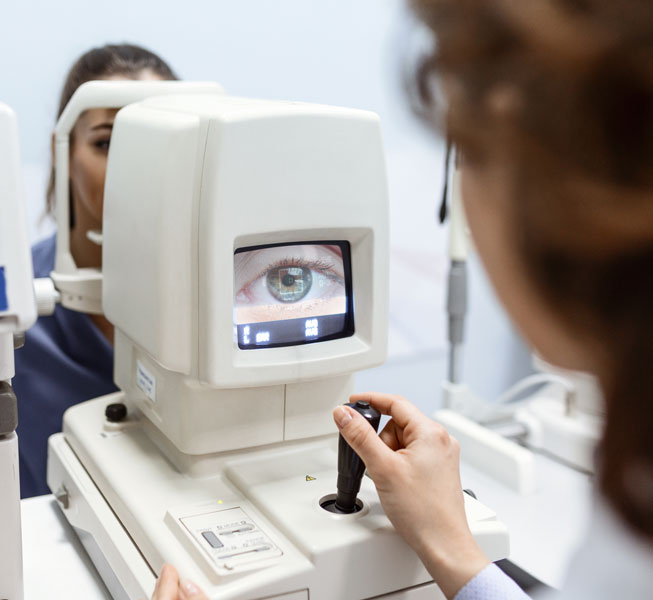
Advanced Glaucoma Diagnosis
Early detection is key to preventing vision loss. At Centers for Vision, we use advanced diagnostic tools to identify glaucoma in its earliest stages.
Diagnostic testing may include:
- Tonometry (measuring eye pressure)
- Optical Coherence Tomography (OCT)
- Visual field testing
- Optic nerve imaging
- Comprehensive dilated eye exams
These tests allow us to detect subtle changes in the optic nerve and monitor disease progression over time.
Glaucoma Treatment Options
There are several types of glaucoma, each requiring a slightly different approach to treatment and management.
Medications
Prescription eye drops are often the first line of treatment. These help reduce eye pressure by improving fluid drainage or decreasing fluid production.
Laser Treatment
MIGS procedures are designed to reduce eye pressure with less risk and faster recovery compared to traditional surgery.
Minimally Invasive Glaucoma Surgery (MIGS)
MIGS procedures are designed to reduce eye pressure with less risk and faster recovery compared to traditional surgery.
Traditional Glaucoma Surgery
In more advanced cases, surgical procedures may be necessary to create new drainage pathways and control pressure.
Our specialists will recommend the most appropriate treatment based on the severity of your condition and your overall eye health.

Why Ongoing Monitoring Is Essential
Glaucoma is a lifelong condition that requires consistent monitoring. Even if your condition is stable, regular follow-up visits are necessary to ensure treatment remains effective.
Our team works closely with each patient to adjust treatment as needed and prevent further damage to the optic nerve.
Why Choose Centers for Vision in Fort Myers
Patients trust Centers for Vision for glaucoma care because we offer:
- Experienced glaucoma specialists
- Advanced diagnostic technology
- Comprehensive treatment options
- Personalized care plans
- A convenient Fort Myers location
We are committed to helping you preserve your vision through proactive, expert care.

DiscoverCenters for Vision
Our patients are our priority. We provide advanced eye care services with a team of experienced specialists. Learn more about our treatments and technologies below.










Frequently Asked Questions About Eye Doctors in Cape Coral
A glaucoma specialist diagnoses, treats, and manages glaucoma to prevent or slow vision loss.
No, glaucoma cannot be cured, but it can be effectively managed with early detection and proper treatment.
This depends on your age and risk factors, but most adults should have regular eye exams every 1–2 years.
Primary open-angle glaucoma is the most common type and develops gradually over time.
Yes, having a family history of glaucoma increases your risk.
Schedule an Appointment with a Glaucoma Specialist in Fort Myers
If you are at risk for glaucoma or have been diagnosed with the condition, early and ongoing care is essential to protecting your vision.
Contact Centers for Vision today to schedule your appointment with an experienced glaucoma specialist in Fort Myers.