
Diabetic Retinopathy Surgery in Fort Myers, FL
Advanced Surgical Treatment for Diabetic Eye Disease
Diabetic retinopathy is one of the leading causes of vision loss among individuals with diabetes. When the condition progresses to an advanced stage, surgery may be required to preserve or restore vision. At Centers for Vision, we provide expert diabetic retinopathy surgery in Fort Myers using advanced techniques and technology tailored to each patient’s condition.
Diabetic retinopathy occurs when high blood sugar levels damage the blood vessels in the retina. Over time, these vessels can leak, swell, or close off completely, leading to vision impairment. In more severe cases, abnormal blood vessels may grow, increasing the risk of bleeding, retinal detachment, and permanent vision loss.
Early detection and treatment are critical, but when non-surgical treatments are no longer effective, surgical intervention becomes necessary.
When Is Surgery Needed for Diabetic Retinopathy?
Not all cases of diabetic retinopathy require surgery. However, surgery may be recommended when the condition has progressed and is significantly affecting vision.
Surgical treatment may be necessary if you experience:
- Severe vitreous hemorrhage (bleeding in the eye)
- Retinal detachment caused by diabetic changes
- Scar tissue formation on the retina
- Advanced proliferative diabetic retinopathy
- Vision loss that does not respond to injections or laser treatment
Our specialists will perform a comprehensive evaluation to determine whether surgery is the most appropriate treatment option for your condition.
Types of Diabetic Retinopathy Surgery
The specific surgical procedure depends on the severity of the disease and the structures affected within the eye.
Vitrectomy Surgery
Vitrectomy is the most common surgical procedure used to treat advanced diabetic retinopathy. During this procedure, the vitreous gel inside the eye is removed and replaced with a clear solution.
This allows the surgeon to:
- Remove blood from vitreous hemorrhage
- Eliminate scar tissue pulling on the retina
- Repair retinal detachment
- Improve light passage to the retina
Vitrectomy can significantly improve or stabilize vision in many patients.
Laser Surgery (Photocoagulation)
Laser treatment may be used in combination with or prior to surgery to seal leaking blood vessels and prevent further damage.
Laser therapy can:
-
- Reduce abnormal blood vessel growth
- Prevent further leakage
- Stabilize the retina
Combined Surgical Approaches
In some cases, a combination of treatments—including injections, laser therapy, and vitrectomy—may be used to achieve the best outcome.
Our team will customize your treatment plan based on your specific diagnosis and overall eye health.
What to Expect During Surgery
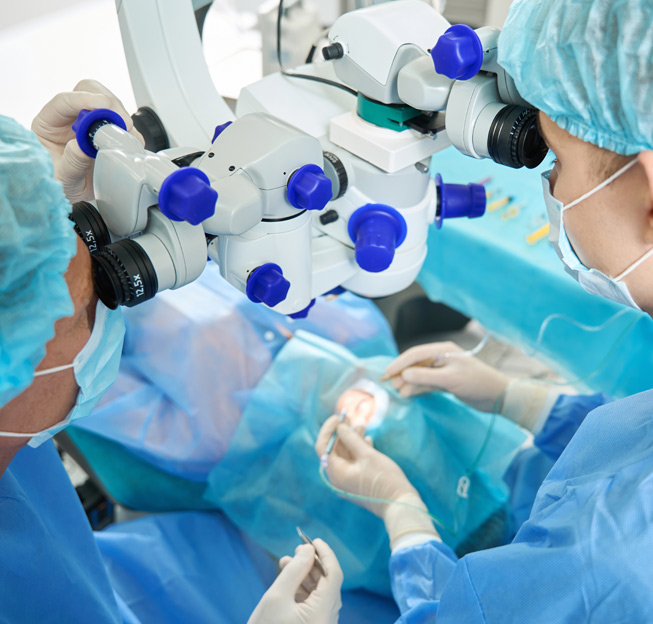
Diabetic retinopathy surgery is typically performed as an outpatient procedure. The specifics may vary depending on the type of surgery, but most procedures follow a similar process.
- Local or monitored anesthesia is used for comfort
- The procedure is performed using microsurgical techniques
- Most surgeries are completed within a few hours
- Patients return home the same day
Your surgeon will provide detailed instructions before and after the procedure to ensure a smooth experience.
Recovery After Diabetic Retinopathy Surgery
Recovery time varies depending on the complexity of the surgery and the severity of the condition.
Patients may experience:
- Mild discomfort or irritation
- Temporary blurred vision
- Sensitivity to light
Post-operative care may include:
- Prescription eye drops
- Activity restrictions
- Follow-up appointments to monitor healing
Vision improvement may occur gradually over time as the eye heals.
Risks and Outcomes
As with any surgical procedure, there are risks associated with diabetic retinopathy surgery. These may include infection, bleeding, or changes in eye pressure. However, serious complications are uncommon, and surgery is often highly effective in preventing further vision loss.
The goal of surgery is to stabilize the condition and preserve as much vision as possible. In many cases, patients experience improved visual clarity after recovery.

Preventing Progression of Diabetic Eye Disease
Even after surgery, ongoing management of diabetes is essential to protect your vision.
Patients are encouraged to:
- Maintain healthy blood sugar levels
- Monitor blood pressure and cholesterol
- Attend regular eye exams
- Follow all post-treatment care recommendations
Long-term care plays a critical role in preventing recurrence or further complications.
Why Choose Centers for Vision in Fort Myers
Patients trust Centers for Vision for advanced diabetic eye care because we offer:
- Experienced retina specialists
- Advanced surgical techniques
- Comprehensive diagnostic technology
- Personalized treatment plans
- Convenient Fort Myers location
We are committed to helping you preserve your vision and maintain your quality of life.

DiscoverCenters for Vision
Our patients are our priority. We provide advanced eye care services with a team of experienced specialists. Learn more about our treatments and technologies below.










Frequently Asked Questions
Diabetic retinopathy surgery is a procedure used to treat advanced stages of diabetic eye disease, often involving vitrectomy or laser treatment.
The procedure is typically performed under anesthesia, so patients do not feel pain during surgery. Mild discomfort may occur during recovery.
Recovery time varies, but most patients begin to notice improvement over several weeks.
Surgery can improve or stabilize vision, but results depend on the severity of the condition before treatment.
While it cannot always be prevented, managing blood sugar and attending regular eye exams can significantly reduce risk.
Schedule Your Diabetic Retinopathy Evaluation in Fort Myers
If you have been diagnosed with diabetic retinopathy or are experiencing vision changes, early treatment is essential. Our specialists are here to provide advanced care and guide you through every step of your treatment.
Contact Centers for Vision today to schedule your consultation for diabetic retinopathy surgery in Fort Myers.